
7 Standout Restaurant Interior Trends for 2026
The restaurant industry is evolving faster than ever. In 2026, people do not visit restaurants only for food. They visit for the full experience. Restaurant interior design plays a powerful role in shaping how customers feel, how long they stay, and whether they return. A well-planned restaurant interior design can turn first-time visitors into loyal guests and casual diners into brand ambassadors.
Today’s customers expect more than stylish furniture and good lighting. They look for comfort, sustainability, authenticity, and share-worthy spaces. Restaurant interiors now influence online reviews, social media engagement, and overall brand reputation. If you want to stand out in a competitive market, you must understand the latest restaurant interior trends and apply them strategically.
7 Restaurant interior Design Layout Ideas for 2026
In this blog, we will explore the top restaurant interior trends for 2026 that can help you create a modern, customer-focused, and profitable space.
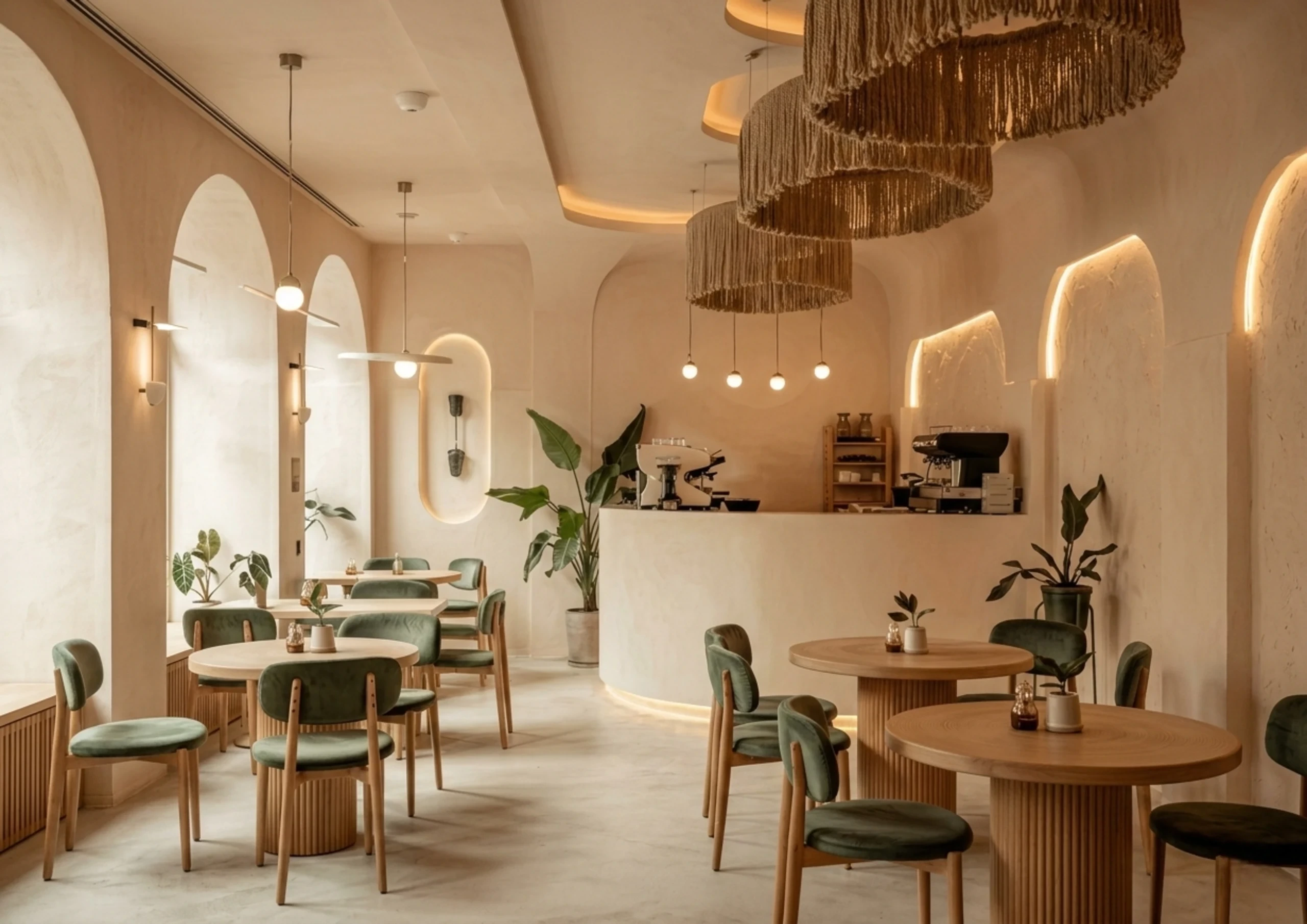
1. Sustainable and Eco-Friendly Design
Sustainability is becoming a priority for restaurant owners and customers. Many customers value companies that demonstrate a genuine commitment to protecting the environment.
In 2026, restaurants are using:
- Recycled wood and reclaimed materials
- Energy-efficient LED lighting
- Indoor plants and green walls
- Natural finishes like stone and bamboo
These elements create a fresh and calming atmosphere. They also reduce long-term operational costs and improve indoor air quality. Eco-friendly design strengthens your brand image and builds customer trust.
2. Multi-Sensory Dining Experience
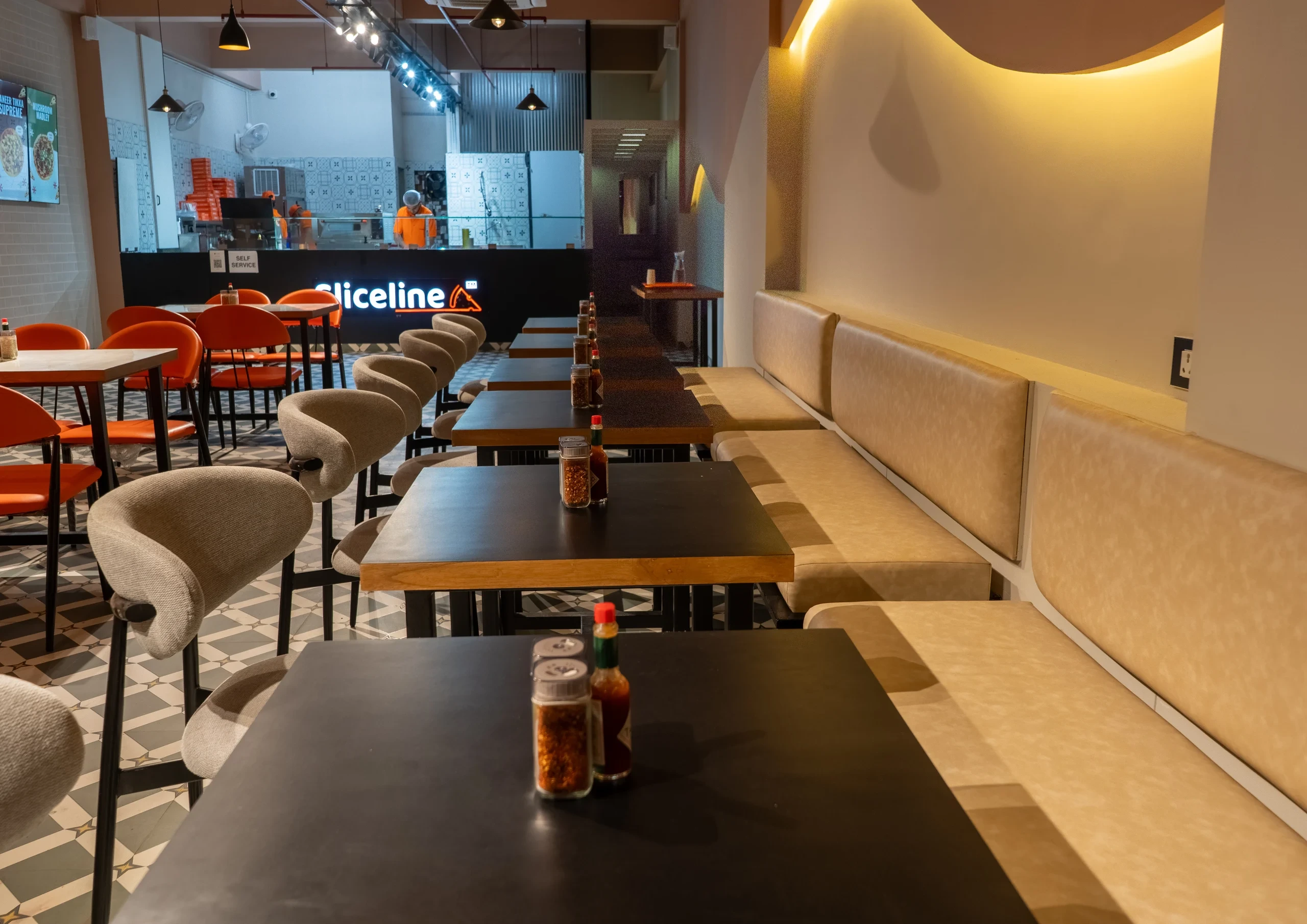
Dining is about more than taste. A multi-sensory experience engages sight, sound, touch, and atmosphere.
Modern restaurants focus on:
- Layered and mood-based lighting
- Soft background music
- Textured walls and fabrics
- Comfortable seating materials
These design elements create an emotional connection with guests and encourage them to stay longer. A well-balanced atmosphere enhances the overall dining experience.
3. Open Kitchen Concept
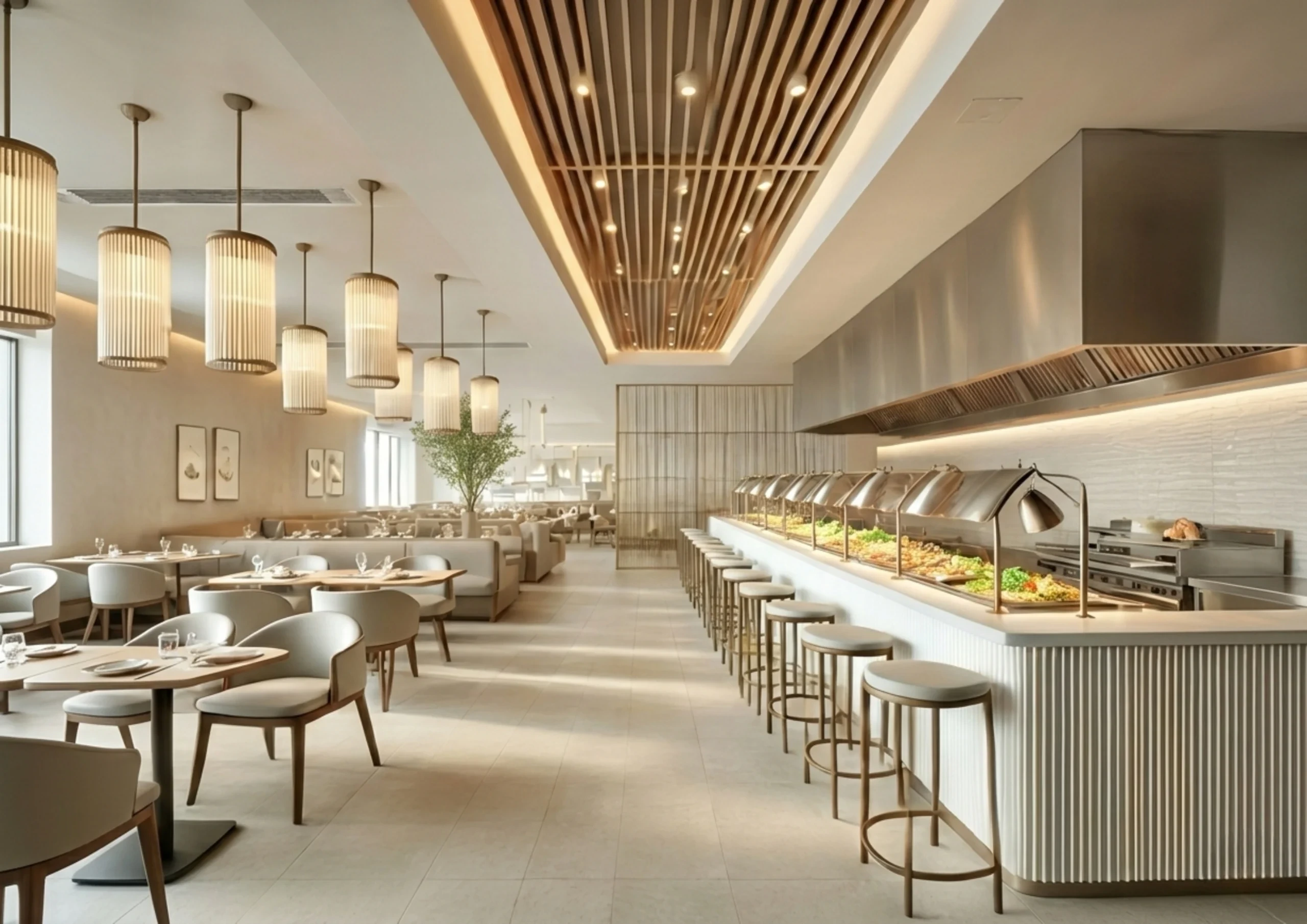
Open kitchens build transparency and trust. Guests like seeing chefs cook their food live.
This concept:
- Improves customer confidence
- Adds visual excitement
- Highlights hygiene standards
- Strengthens brand credibility
When executed properly, open kitchens create a lively and interactive environment. They also make the dining experience more engaging and memorable.
4. Flexible and Modular Seating
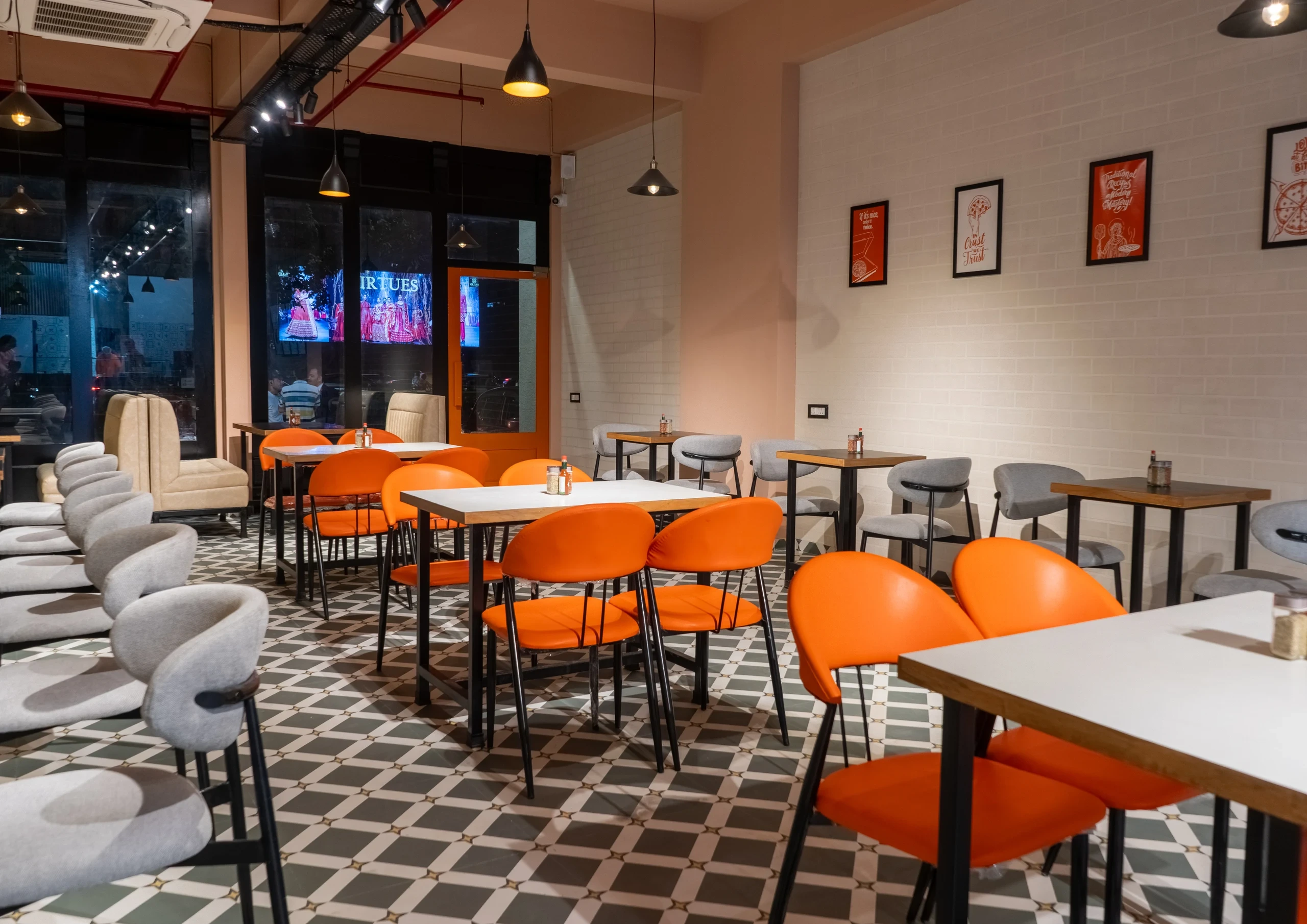
Restaurants serve different types of guests such as couples, families, business groups, and large gatherings. Your layout must adapt to these changing needs.
Flexible layouts include:
- Movable tables and chairs
- Adjustable partitions
- Private dining zones
- Comfortable booth seating
This approach maximizes space utilization and increases booking flexibility. Smart seating arrangements improve both customer comfort and operational efficiency.
5. Instagrammable Design Elements
Social media strongly influences dining decisions. Many customers choose restaurants based on visual appeal.
Popular design elements include:
- Neon quote walls
- Artistic murals
- Statement lighting fixtures
- Dedicated photo corners
These features encourage guests to share their experiences online. Content created by users acts as cost-free promotion and helps boost brand awareness.
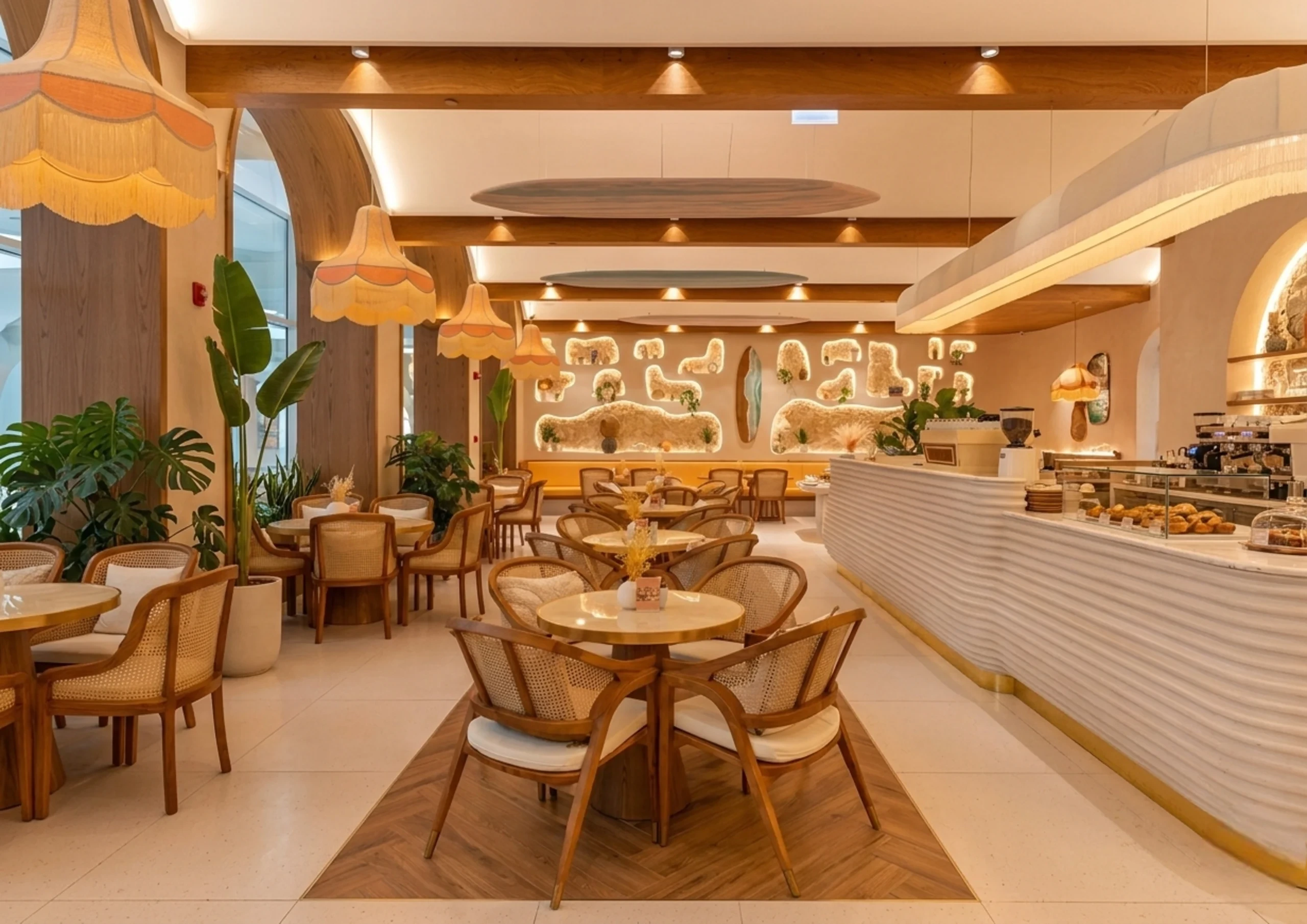
6. Local Culture and Storytelling
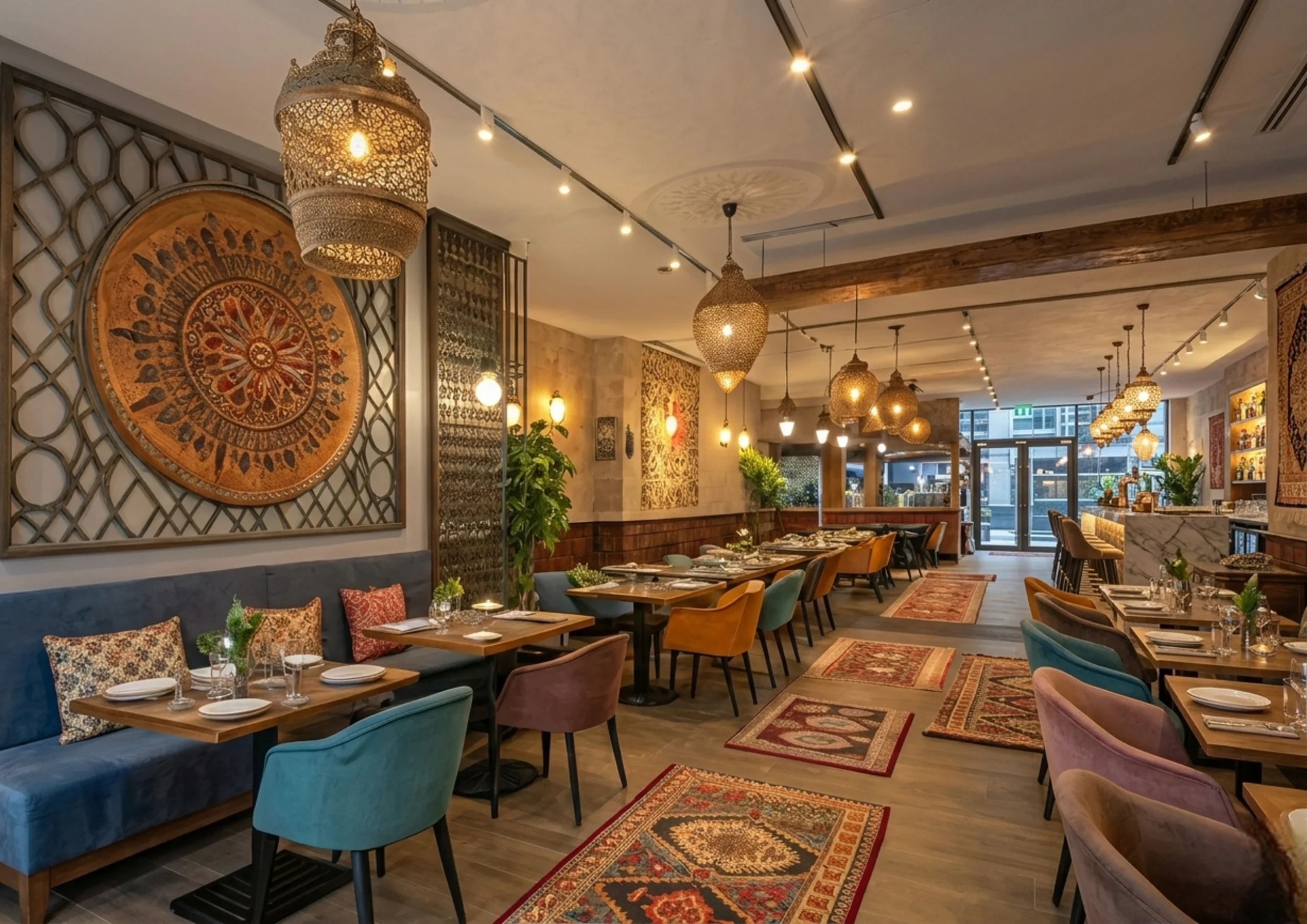
Modern restaurants are telling stories through design. Local art, handmade décor, and regional influences create authenticity.
Incorporating cultural elements:
- Builds emotional connection
- Strengthens brand identity
- Differentiates your space
- Enhances the dining narrative
Customers remember places that feel meaningful and original. A strong design story gives your restaurant a unique personality.
7. Technology-Integrated Interiors
Technology improves both efficiency and customer convenience.
Modern restaurants integrate:
- Digital menu boards
- QR code ordering systems
- Smart lighting controls
- Charging ports at tables
These features streamline service and enhance the overall dining experience. However, balance is important. Technology should support the design, not overpower it.
Common Mistakes to Avoid in Restaurant Interior Design
Even a beautiful design can fail if you ignore functionality. Many restaurant owners focus only on decoration and forget operational efficiency. Understanding common restaurant interior design mistakes can help you create a more practical and profitable space.
Avoid these common mistakes:
- Overcrowding the space with too many tables
- Poor lighting that makes food look unattractive
- Ignoring acoustic control (too much noise)
- Choosing uncomfortable seating
- Neglecting ventilation and airflow
A successful restaurant interior balances beauty and practicality. When customers feel comfortable, they stay longer and return again.
Final Thought
Restaurant interior design in 2026 focuses on creating meaningful and memorable experiences. Customers expect comfort, authenticity, sustainability, and technology to work together seamlessly. When you design with strategy and purpose, you not only improve aesthetics but also increase customer satisfaction and long-term profitability.
At J Design Studio, we understand how powerful thoughtful restaurant design can be. Our team focuses on blending creativity, functionality, and brand identity to create spaces that truly stand out. If you want to transform your restaurant into a modern and profitable destination, choosing the right design partner can make all the difference.
FAQs:
Sustainability, flexible seating, open kitchens, Instagrammable corners, local storytelling, smart technology, and multi-sensory design are the leading restaurant interior trends for 2026.
Good interior design improves customer experience, increases repeat visits, strengthens brand identity, and directly impacts revenue and online reviews.
Use mood lighting, comfortable seating, unique décor elements, indoor plants, and a consistent theme that matches your brand identity.
Open kitchens build trust, improve transparency, highlight hygiene standards, and create an engaging dining experience.
Lighting sets the mood, enhances food presentation, and creates a comfortable environment that encourages guests to stay longer.